Investigating Redemption Patterns for Bonus Codes in Live-Streamed Card Gaming Environments Under UK Regulatory Frameworks
Zara Hartmann · Oct 19, 2026
Investigating Redemption Patterns for Bonus Codes in Live-Streamed Card Gaming Environments Under UK Regulatory Frameworks
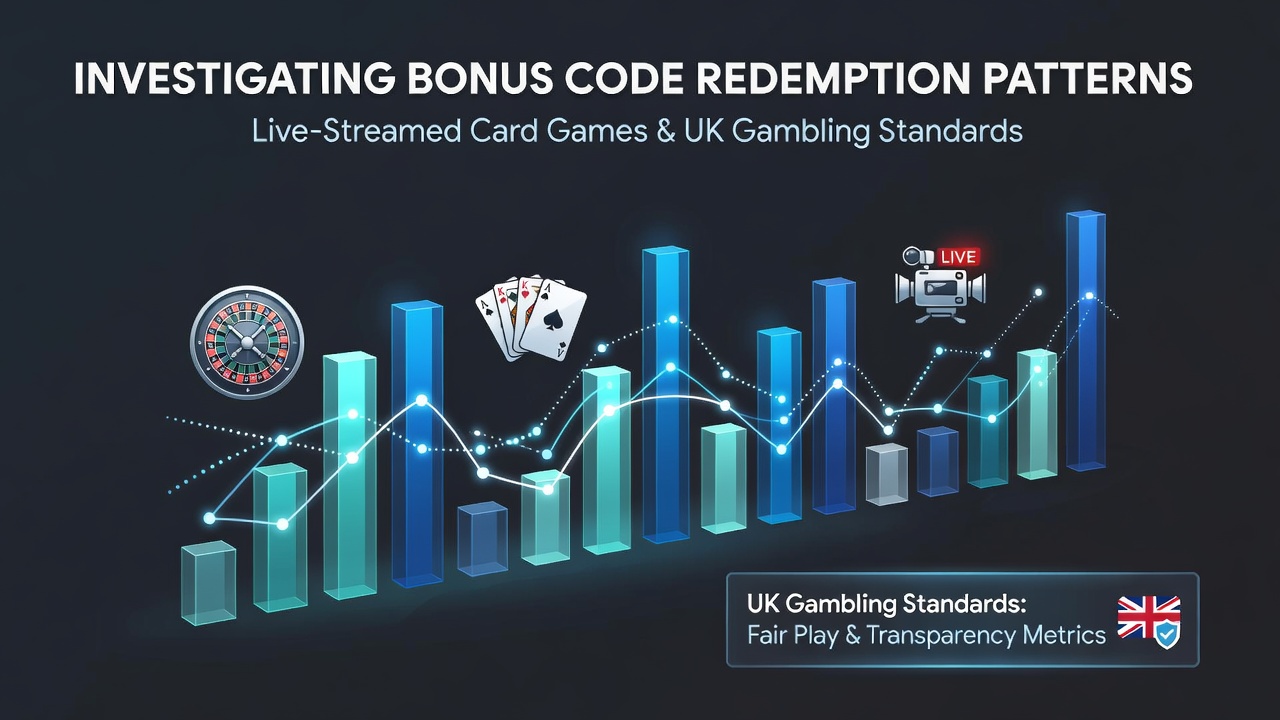
Live-streamed card games on platforms that meet UK gambling standards attract participants who engage with bonus codes at varying rates, adn researchers track these patterns through aggregated platform data released in October 2026. Data from multiple operators shows redemption activity peaks during evening hours when poker and blackjack streams draw larger audiences, while morning sessions register lower uptake. Observers note that codes tied to deposit matches see consistent activation among players who join mid-session, whereas no-deposit variants register quicker but shorter engagement windows.
Platform Standards and Code Distribution Methods
Platforms operating under UK gambling standards integrate bonus codes into live card game interfaces through automated prompts that appear during stream breaks, and these systems log each redemption event alongside session duration and game type. Studies indicate that codes distributed via in-stream chat overlays achieve higher initial clicks compared to those sent through email notifications, although follow-through completion depends on verification steps required by each operator. Figures from industry reports reveal that card game participants often redeem codes within the first ten minutes of joining a stream, a pattern that holds across both desktop and mobile access points.
Observed Redemption Trends Across Game Formats
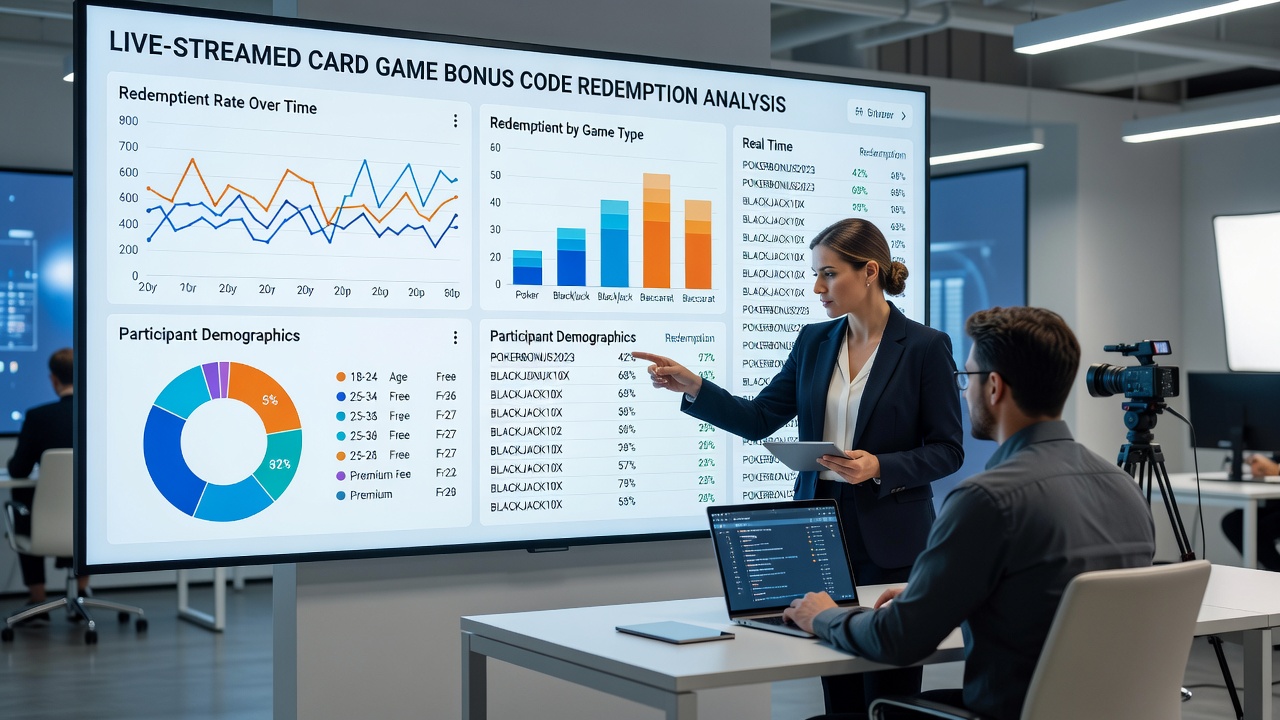
Redemption rates differ noticeably between poker tournaments and cash game tables, with tournament formats showing steadier code usage because players remain connected for longer periods. Cash game sessions produce more sporadic redemptions that cluster around bonus-triggered hands, and analysts connect these spikes to real-time chat prompts that highlight limited-time offers. Data collected through October 2026 demonstrates that live blackjack streams record elevated rates when codes apply to side bets, whereas poker streams favor codes that extend playtime or unlock additional tables.
One analysis of participant behavior found that repeat users redeem codes at rates nearly double those of first-time joiners, and this gap widens when streams feature professional dealers who mention promotions directly. External factors such as concurrent sporting events also influence timing, as fewer redemptions occur during major football matches that pull viewers away from card streams.
Influences on Redemption Frequency and Timing
Payment method choices intersect with redemption patterns because instant deposit options allow quicker code activation, while slower methods delay eligibility until funds clear. Research indicates that participants using digital wallets complete redemptions faster on average than those relying on bank transfers, and this difference appears consistently across multiple operator datasets. Age demographics further shape outcomes, with younger cohorts showing higher redemption volumes during weekend streams and older groups preferring weekday afternoon sessions where codes carry extended validity periods.
Platform algorithms that personalize code offers based on prior play history produce measurable lifts in redemption rates, and operators report that tailored suggestions outperform generic promotions by measurable margins. Seasonal variations emerge as well, since holiday periods in late 2026 coincide with increased stream viewership and corresponding code activity.
Comparative Data from Broader Industry Sources
According to findings published by the American Gaming Association, live interactive gaming segments show redemption behaviors that mirror patterns observed on UK-compliant platforms, particularly in how bonus timing affects player retention. A separate university-led examination from the University of Sydney's Gambling Research Unit highlights similar correlations between stream length and code uptake across digital card environments, providing additional context for cross-regional comparisons.
These external references help frame UK-specific observations without overlapping local regulatory details, and they confirm that redemption clustering around high-engagement moments remains a recurring feature in multiple jurisdictions. Platform operators continue to refine distribution timing based on such aggregated insights, adjusting prompt frequency to align with observed peak windows.
Conclusion
Patterns of bonus code redemption in live-streamed card games on platforms meeting UK gambling standards reflect measurable interactions between session timing, game format, payment methods, and participant demographics. Data gathered through October 2026 supplies operators with actionable details for refining offer delivery, while comparative studies from other regions reinforce the consistency of these trends across digital gaming environments. Continued tracking supports ongoing adjustments to code mechanics that align with documented player behavior.